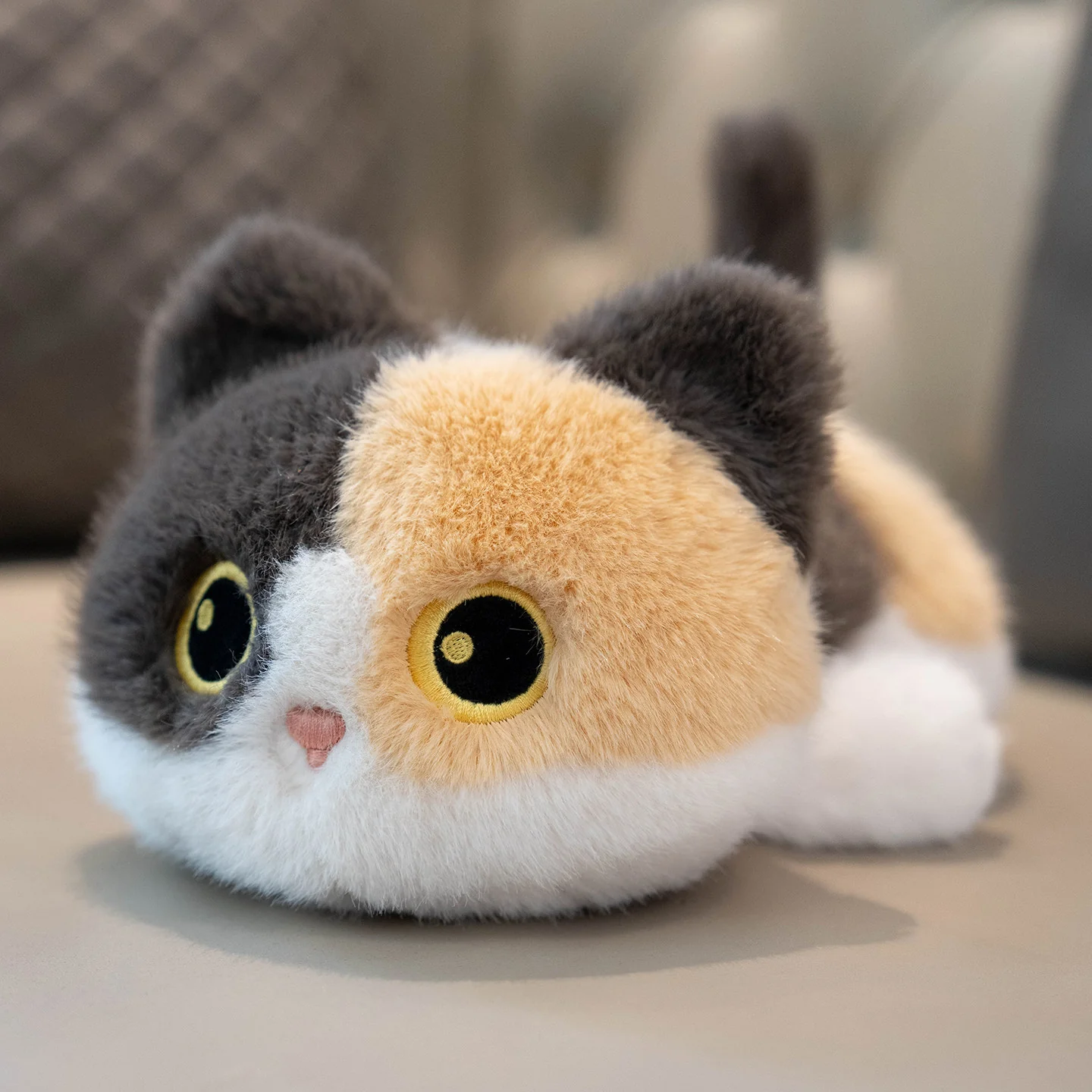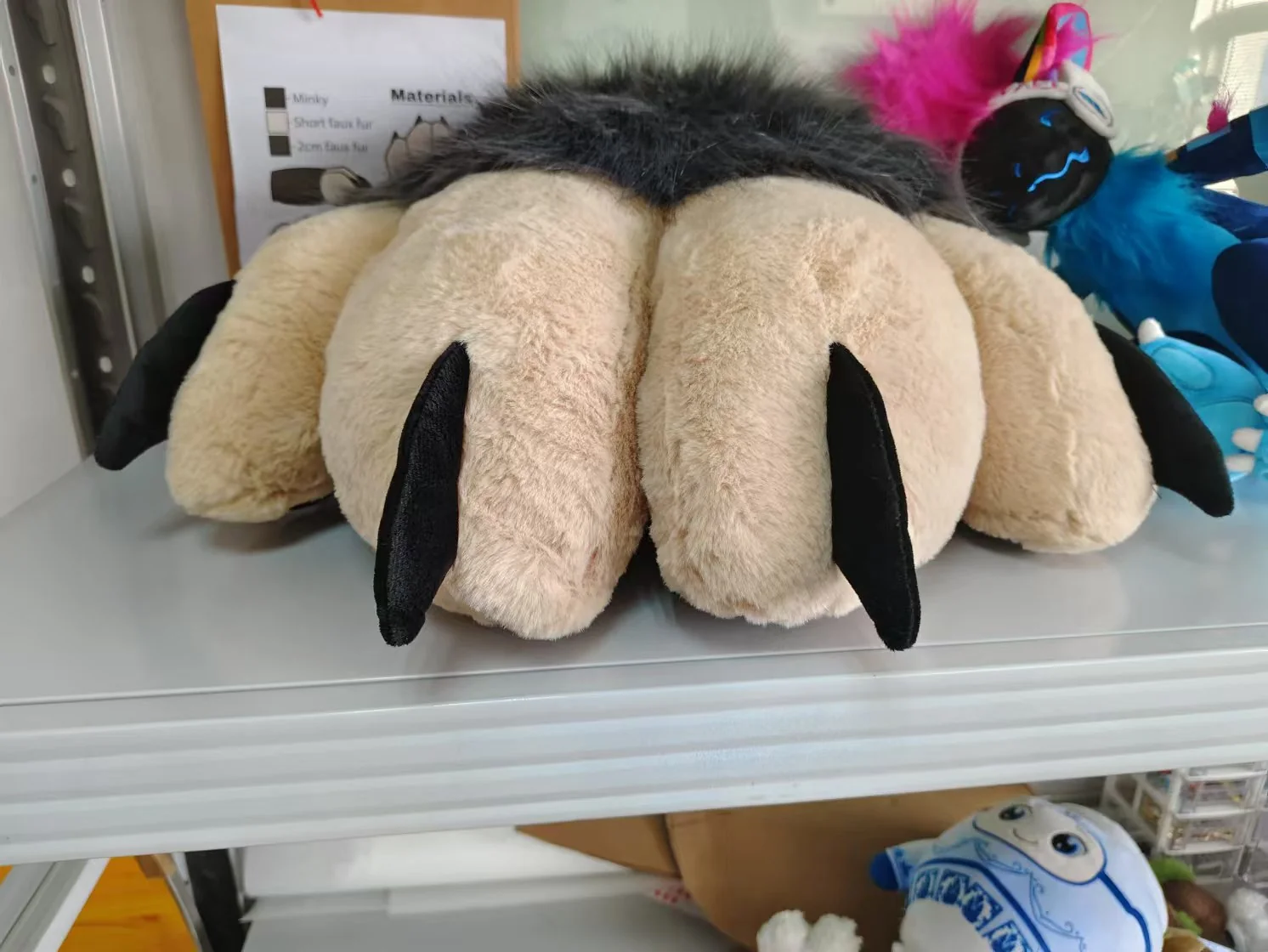
“I've already sent the artwork. Why are there still so many details to confirm?”
When customizing a plush product for the first time, many people focus on appearance: the shape of the eyes, the length of the ears and the body color. These details matter, but some requirements cannot be seen in the artwork alone.
For example, does the product need plastic or glass pellets inside? Should it have a scent? Is it intended to be heated in a microwave? Will it be used by children or pets?
If these details are not explained at the start, adding them later may require a reassessment of materials, production techniques and price.
Artwork is the foundation of plush sampling. A complete product specification tells the factory what you actually need it to make.
Clarify the Basics First: Artwork, Size and Fabric
Before sampling formally begins, we confirm the sample's basic information, including artwork, size, fabric and whether weighting pellets are needed. Some projects also require more precise color confirmation.
Please provide the current version of the design you want to produce. If particular details are especially important, such as the eye position, facial expression or a specific marking, annotate the artwork or include written notes. KUSIBEI accepts AI, PSD, PDF, PNG and JPG files. Discussions can also start with hand-drawn sketches or clear reference images.
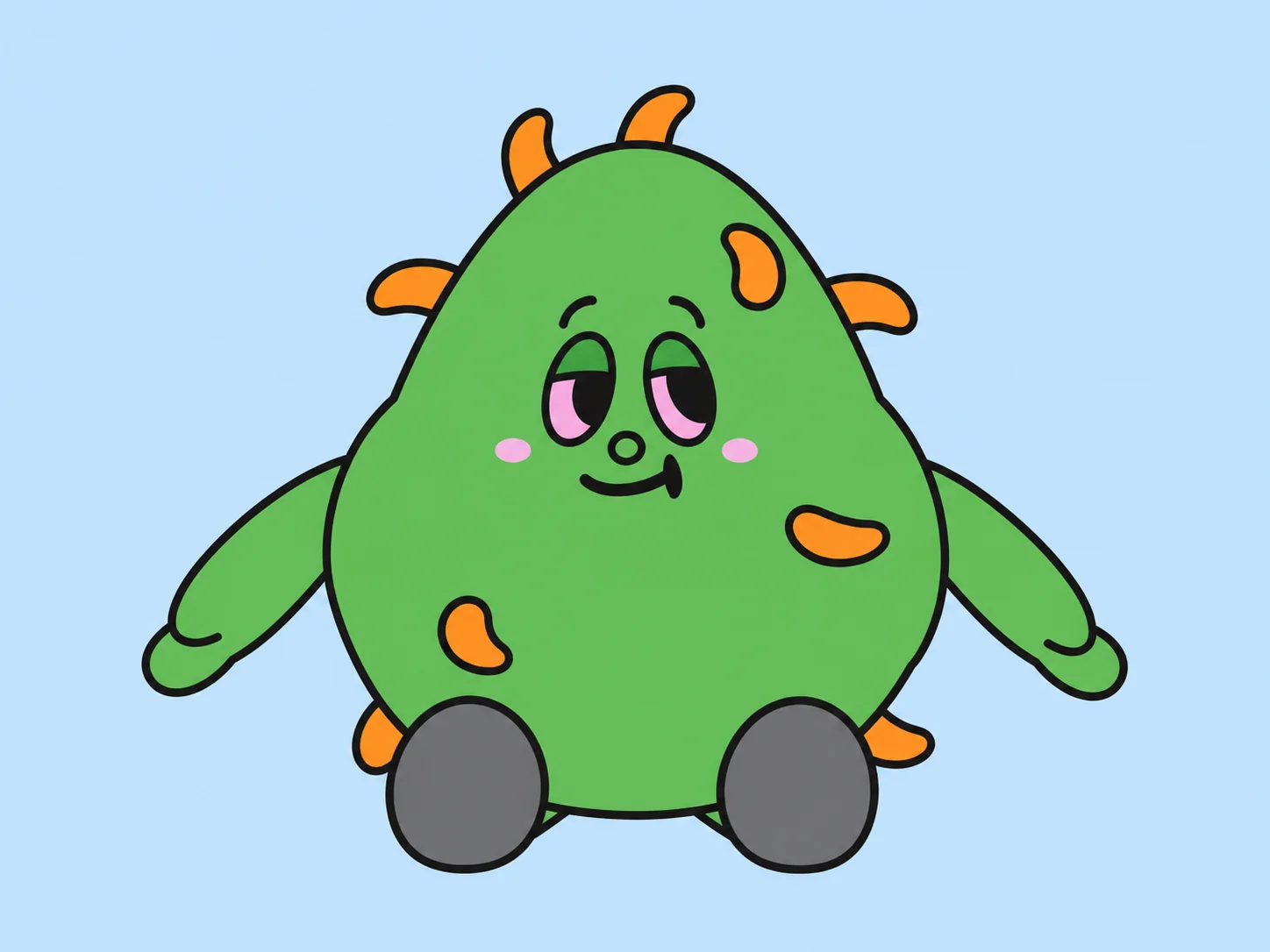
Character artwork provides a reference for discussing appearance, expression and colors.
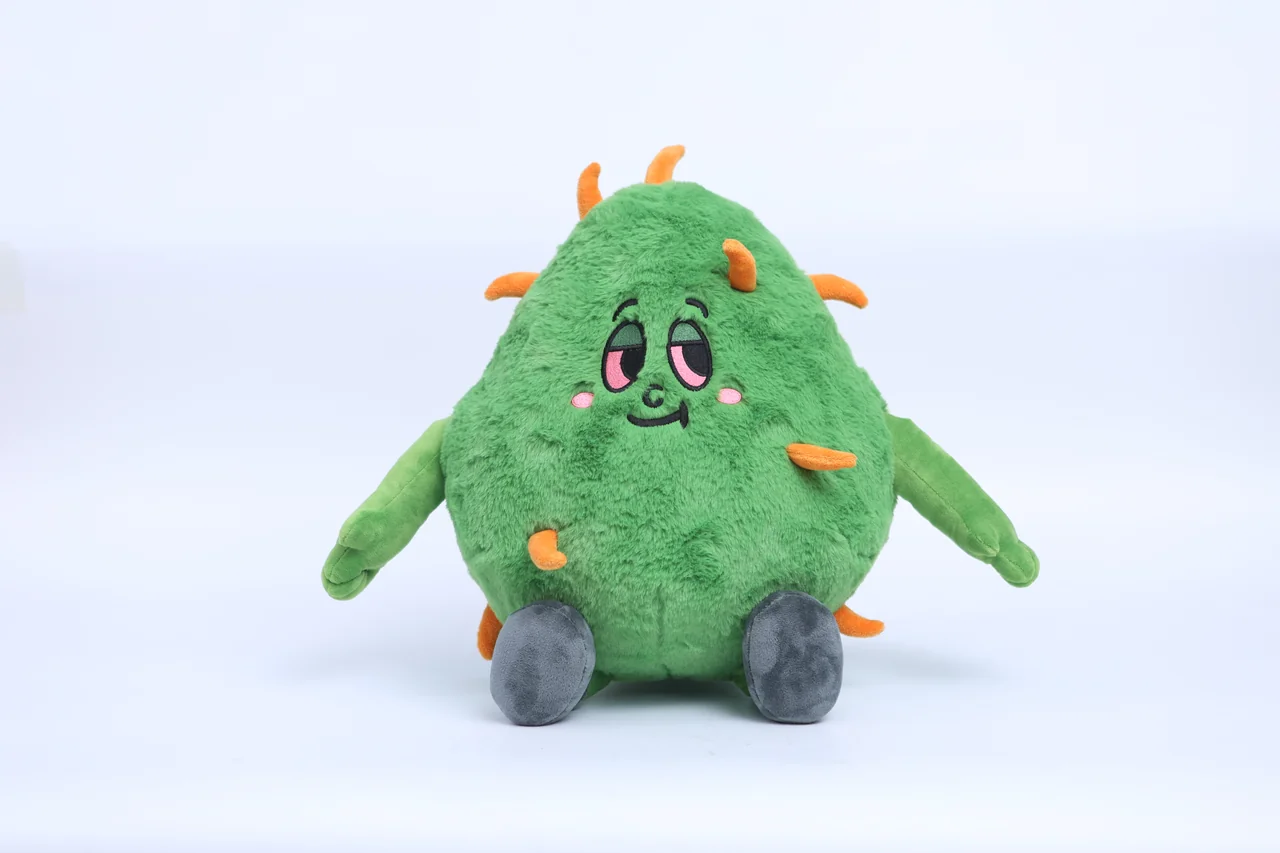
The corresponding developed plush. Artwork provides an appearance reference, while fabric, size and internal requirements still need to be confirmed before sampling.
State the size as a number with a unit. A description such as “make it 20 cm” can still be interpreted differently if the measurement points are unclear. Where necessary, add a dimension line to the artwork to show exactly which part you want measured.
If you have specific fabric requirements, provide those too. If you do not yet know the fabric name, describe the look and feel you want, then choose with the help of the material examples we provide.
Once these basics are confirmed, check for any requirements that are not shown in the artwork.
Do Not Overlook Internal Filling: Are Weighting Pellets Needed?
In actual consultations, one category customers can forget is the product's internal details. For example, they may want plastic or glass pellets but omit them from the initial brief.
Appearance artwork usually cannot convey these requirements. Whether a plush product needs added weight, which pellets to use and where to place them all require additional explanation.
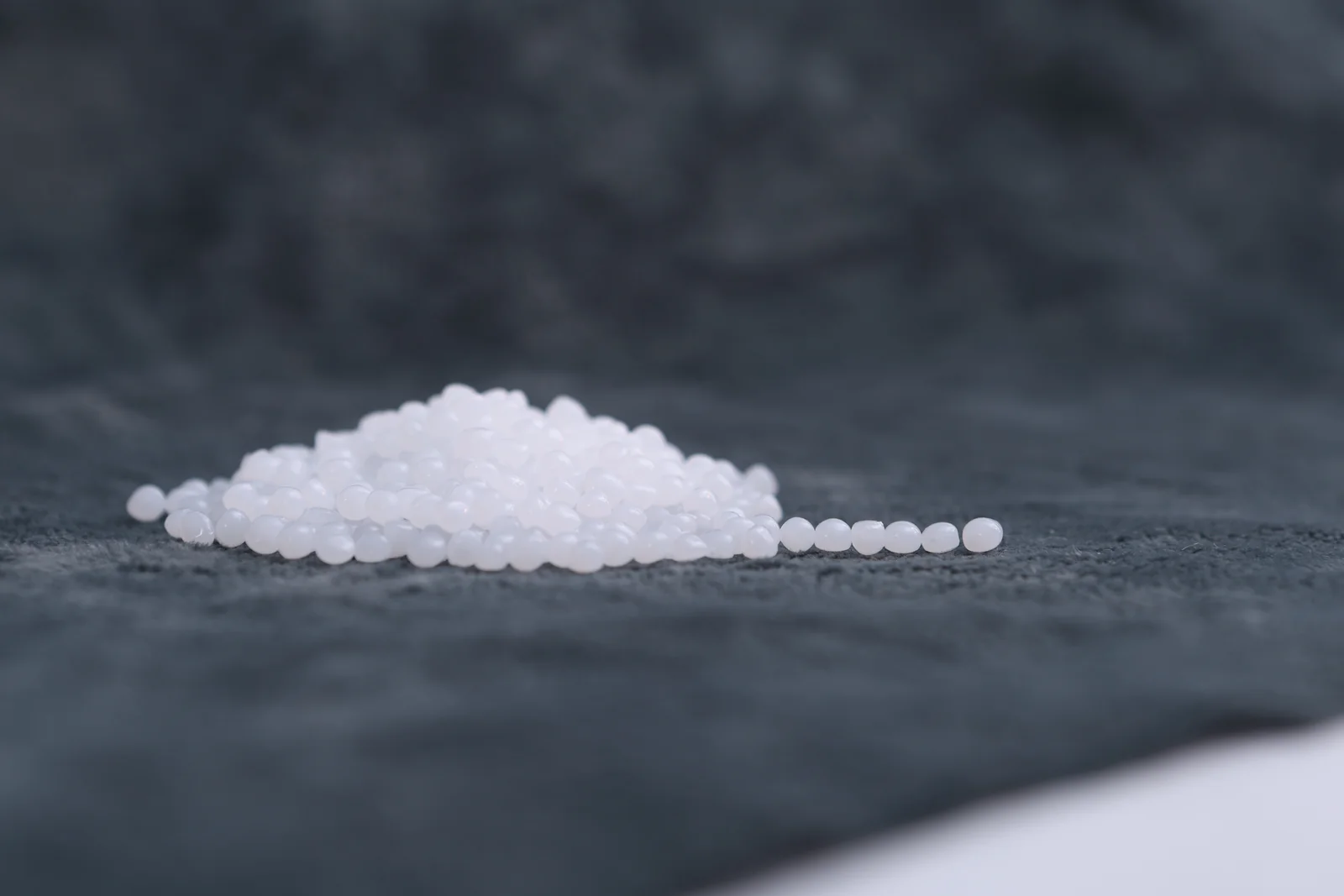
Plastic weighting pellets. Whether to add them, their placement and the target weight all need to be specified in writing.
If you want a weighted product, explain the following before sampling:
- Whether pellets are required.
- Whether plastic pellets, glass pellets or another material are specified.
- Where the pellets should be placed, if already decided.
- Whether there is a target weight or a particular weighted feel you want.
You do not need to finalize every parameter before contacting the factory. You can start by saying, “I would like it to feel somewhat weighty when held, but I haven't decided on the material yet,” and discuss the details with us for your project.
What should be avoided is confirming only the appearance initially, then adding “it also needs pellets inside” after the sample has been made. The new requirement would then need to be incorporated into a fresh assessment of the sample plan and quote.
Explain the Intended Use Early: Heating, Scent and Pet Toys Have Additional Requirements
How the product will be used is important information to provide before sampling. Products with the same appearance may require different manufacturing plans for different uses.
You Want the Product to Be Heated in a Microwave
If you plan to develop a plush product intended for microwave heating, make this clear during the initial inquiry and sampling discussions.
This requirement affects the assessment of materials, filling and the overall manufacturing plan, and may change the price. It should not be added later as a use for a regular plush product whose appearance and size are already confirmed.
Start by explaining the function and use scenario you want, then assess the specific plan. Microwave suitability must be confirmed separately for the complete product; it cannot be determined from one filling material alone.
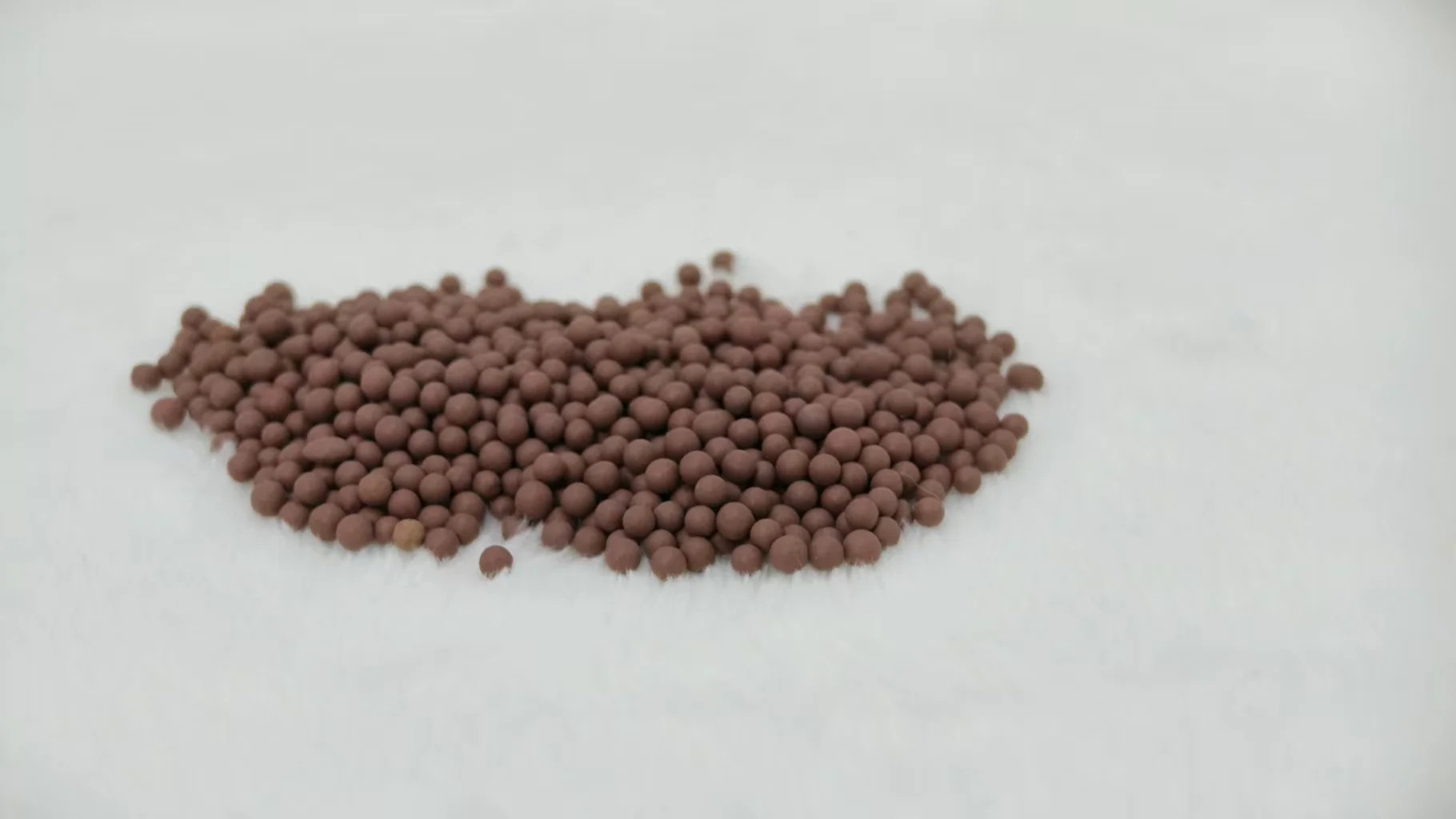
An example of ceramic bead material for microwave-heating applications. The heating suitability of a specific finished product still needs to be confirmed against its complete specifications.
You Want to Add Scented Pellets
Scent also cannot be seen in artwork. If you want scented pellets inside the product, list this as a separate requirement.
If you already have a specified scent or pellet requirement, include it. If not, describe the desired effect first and leave the details for further discussion.
Added weight, scent and heating capability are separate requirements that need individual confirmation. If you want a product to combine several of these functions, explain each one clearly so that the overall plan can be assessed.
The Product Is Actually a Pet Toy
Another easily overlooked situation is when the artwork looks like an ordinary plush toy, but the customer actually needs a pet toy.
For pet toys, we need additional reinforcement steps to reduce the risk of the product being torn apart by pets. These operations also add processing costs.
“For pet use” should therefore be stated before quoting and sampling. If the intended use is only added later, the factory may need to reassess manufacturing techniques and the quote. Reinforcement aims to improve the product's suitability for its use scenario; specific requirements need to be confirmed for the project.
This is why factories ask about intended use: it is one of the factors that determines how a product is made and priced.
How Do You Choose Colors and Materials? We Provide Color Cards and Material Examples
Not knowing material names does not prevent you from starting a custom project. Describe the result you want first, then use reference materials to confirm the details step by step.
For colors, we normally provide color cards. If you have specific brand-color requirements, mention them early. Projects requiring more precise colors need further discussion before sampling, rather than relying only on descriptions such as “ivory” or “light pink.”
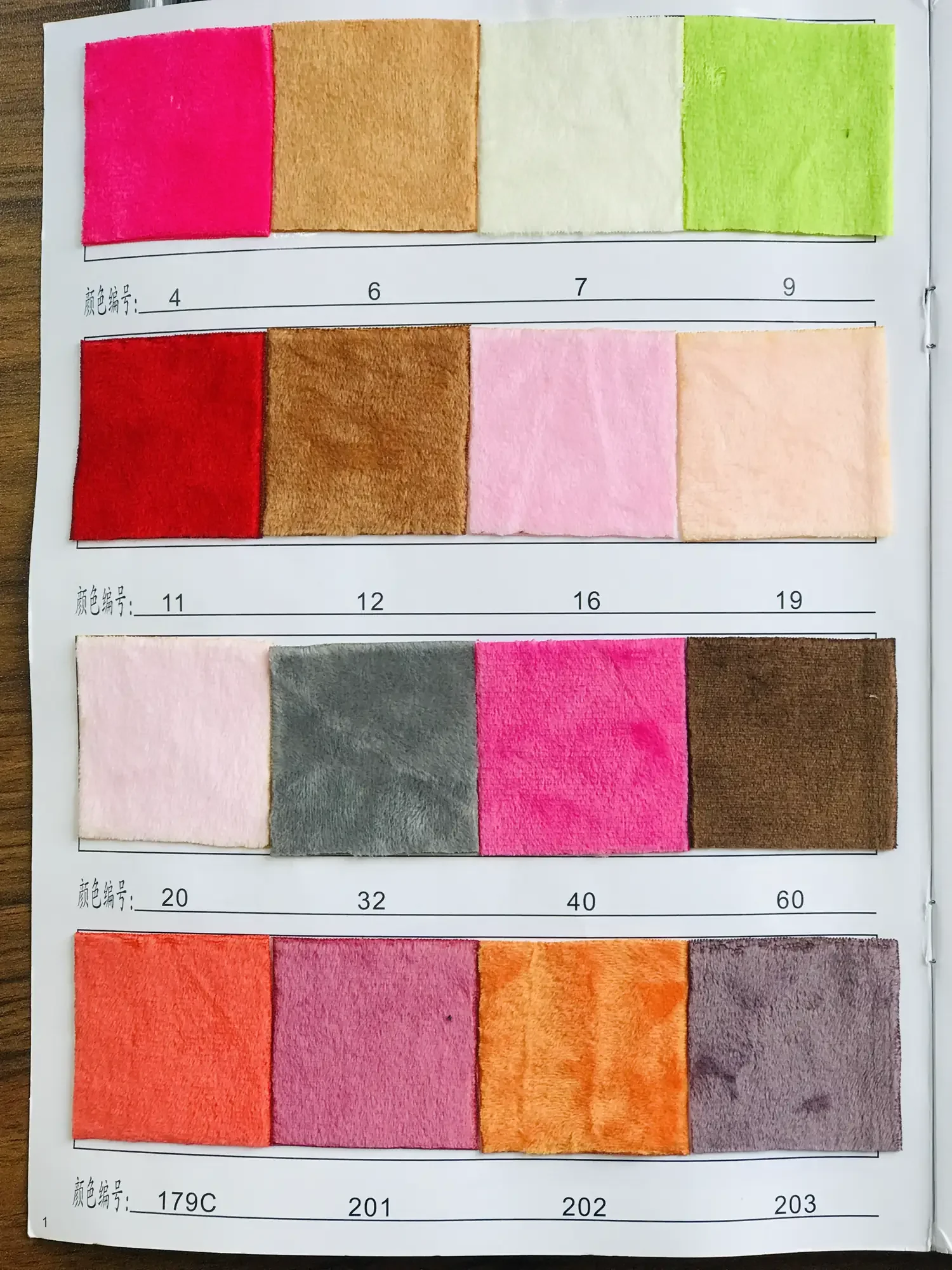
An example of the Juxin crystal super-soft color card from our website's materials page, showing fabric swatches and their color numbers. On-screen images are for reference; specific colors require further confirmation.
For material selection, we provide example plush toys made with the corresponding materials to help you understand how each material looks in a finished product.
You can also provide reference images, but explain what you want to reference: the color, plush texture or overall appearance. This helps us understand your requirements more accurately.
If you are unsure of the material name, describe the desired effect. If you already have specific requirements, write them down. Both approaches make communication easier than asking the factory to guess from an image alone.
Include Expected Quantity, Sales Market and Timing
Beyond the sample specifications, the expected production quantity, sales country or region and desired delivery date help the factory understand the project as a whole.
If multiple designs, sizes or colorways are involved, state the expected quantity for each separately. You can also share an existing budget or target production unit price as a reference when assessing options.
For timing, distinguish between the date you want the sample completed and the date you want to receive it. Mention any photography sessions, events or product-launch plans in advance.
KUSIBEI's sampling lead time is usually 5–12 working days, depending on product complexity. If revisions and shipping are involved, the timeline needs to be confirmed against the actual arrangements. Explaining your timing goals early helps both sides decide how to proceed.
A Plush Sampling Checklist You Can Copy
When contacting the factory, send the following checklist together with your artwork. For anything not yet decided, simply write “advice needed.”
| Information | What to provide |
|---|---|
| Artwork and detail notes | Current design version and appearance details that are especially important |
| Target size | Dimensions and units, with measurement points marked where necessary |
| Fabric requirements | Specified material or the material effect you want to reference |
| Color requirements | Color-card selections and any more precise color requirements |
| Internal filling and added weight | Whether plastic, glass or other pellets are needed; include type, placement and target weight if already decided |
| Intended use | Children's toy, pet toy or another use, and the intended users |
| Special functions | Heating, scent or other requirements, listed separately |
| Quantity and sales market | Expected production quantity, design and colorway plans, and sales country or region |
| Timing requirements | Desired sample completion or receipt date, plus event schedules or other deadlines |
| Other requirements | Confirmed accessories, labels or packaging, and any points where you need the factory's advice |
The purpose of preparing this information is to clarify requirements that affect how the product is made as early as possible. Internal pellets, special functions and intended use are particularly important: details that cannot be seen in the artwork can still affect the sample plan and price.
If you are preparing a custom plush product, send KUSIBEI your existing design together with a written brief. Feel free to raise anything you are unsure about. We will discuss the project further and work with you to confirm the key requirements before sampling.