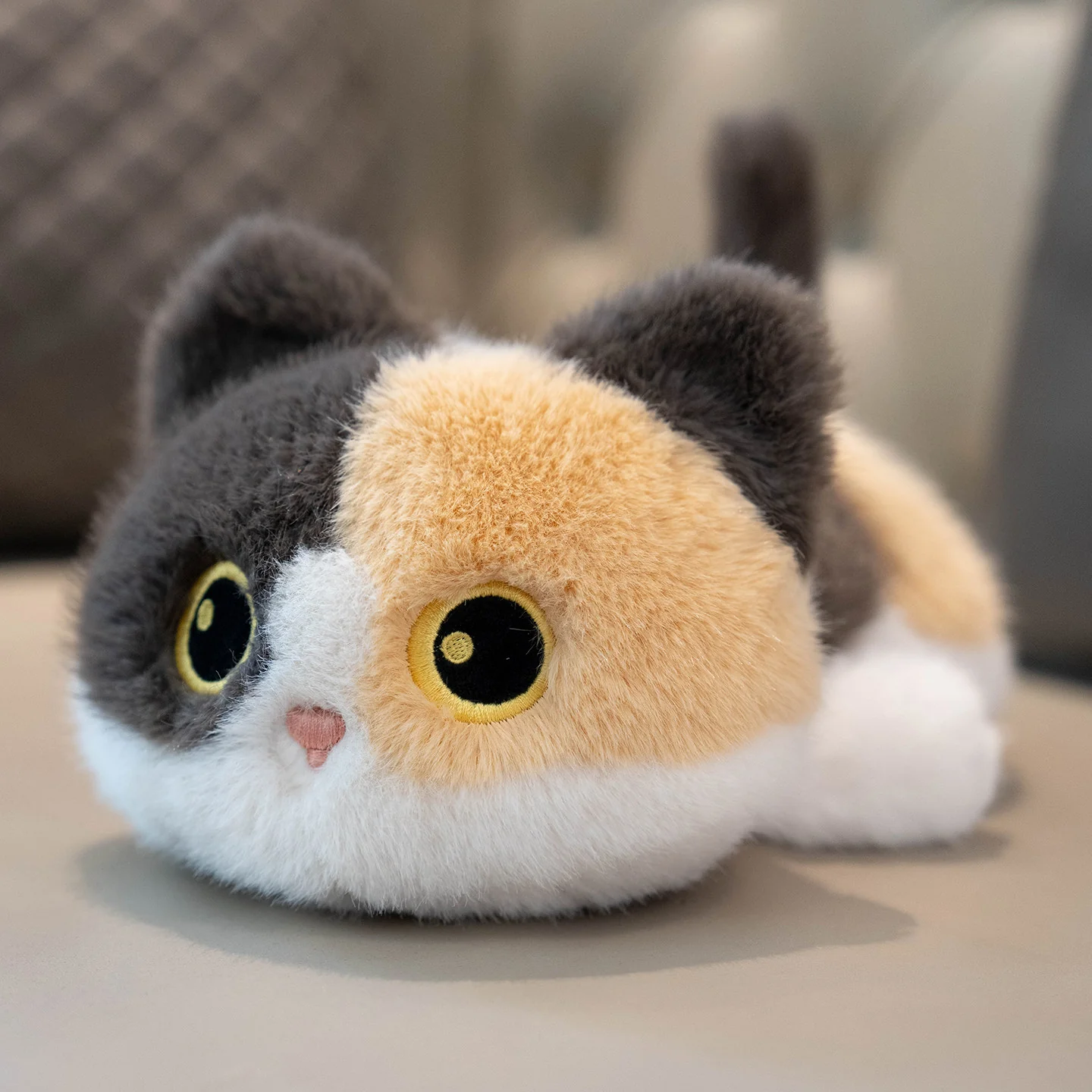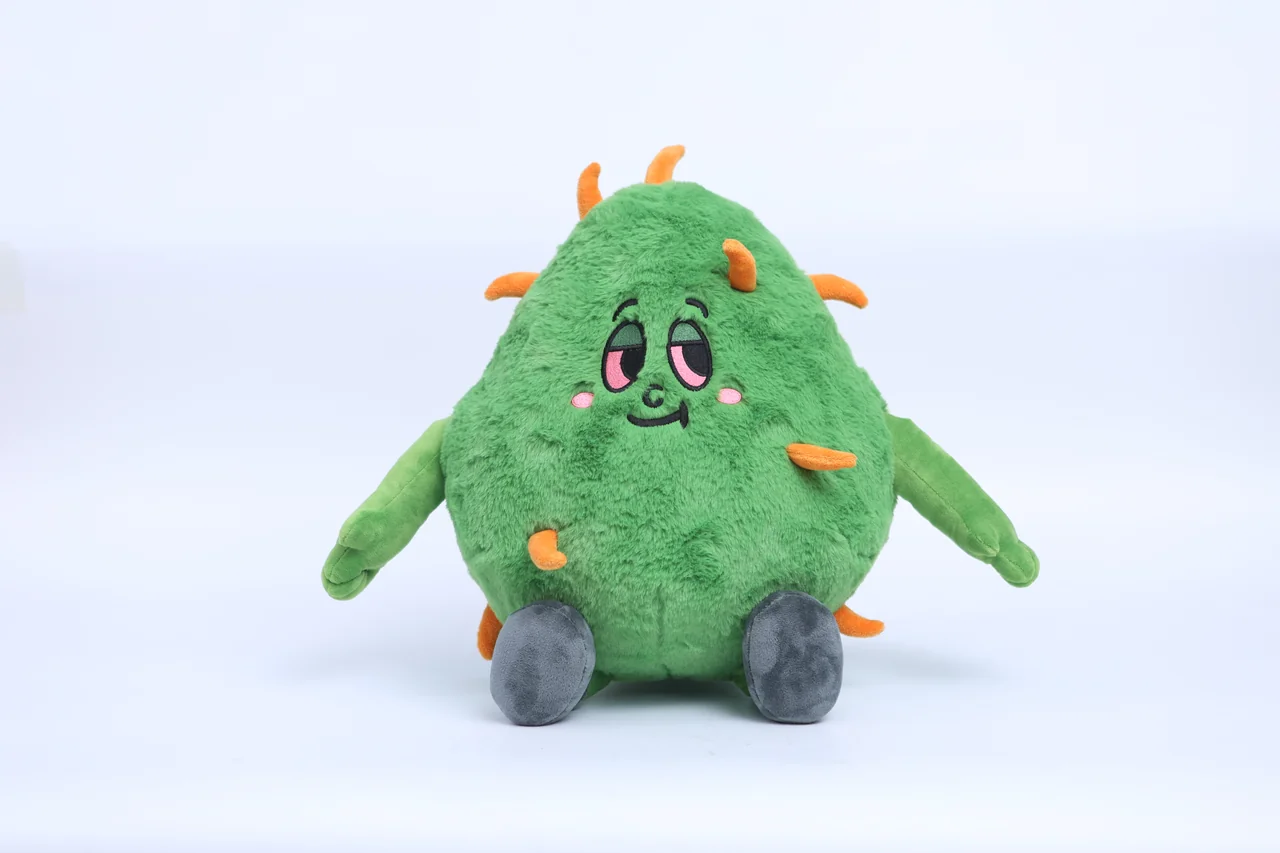
“I would like to start with a few dozen to test the market. Can you produce them at the bulk-order price?”
From a factory's perspective, the work involved in an order does not shrink in proportion to its quantity. Purchasing materials, confirming production techniques, scheduling embroidery and printing, organizing sewing and inspecting finished products all take time. Some of this work can be spread across more products, while other requirements depend on upstream material suppliers and how production equipment operates.
The minimum order quantity, or MOQ, is the smallest quantity a factory accepts for a production order under the relevant product specifications and manufacturing conditions. It is closely related to material purchasing, processing costs and production efficiency.
Our MOQ for custom plush toys is 200 units per design and colorway. Below, we explain the production reasons behind this requirement and how to plan a first order that suits your project.
What Does “200 Units per Design and Colorway” Mean?
“A minimum order of 200 units” must be understood together with the design and colorway. For our custom orders, each colorway of the same design must reach 200 units.
| Order plan | Meets our MOQ? | Reason |
|---|---|---|
| One design, one colorway, 200 units | Yes | The design and colorway reach 200 units |
| One design, two colorways, 100 units each | No | The total is 200, but each colorway has only 100 units |
| One design, two colorways, 200 units each | Yes | Each colorway reaches 200 units, for a total of 400 |
| Two different designs, 100 units each | No | Neither design reaches 200 units |
Here, “colorway” means one complete color scheme for a product. It does not mean that a plush toy can use only one fabric color.
For example, a character can have a beige body, black details and gray long-pile fur and still count as one colorway. If another combination of body and fur colors is developed, the quantity for that version must be calculated separately.
For creators with a limited budget, launching one main colorway first usually makes it easier to control the total purchasing quantity than introducing several colorways at once.
Why Can a Factory Make One Sample but Not a Few Units at the Bulk Price?
Sampling and production solve two different problems.
A sample turns artwork into a physical product: Does the shape match expectations? Does the fabric create the desired effect? Are the embroidery or print positions correct? Does the outline need adjustment after stuffing? Production, by contrast, involves making a batch of products consistently according to the approved specifications.
Making one sample shows that the product can be made. A production quote must answer another question: At this quantity, can the material purchasing and production arrangements support the proposed unit price?
A simplified relationship can help explain this:
Unit cost ≈ Material and processing cost per product + Order preparation costs allocated to each product
This is only a simplified way to understand costs. Actual quotes also depend on material purchasing conditions and production efficiency. In particular, when an order becomes smaller, the preparation cost allocated to each unit increases, and the material and processing costs of each unit may also rise.
The cost of a few dozen products therefore cannot simply be calculated by multiplying the unit price for a few hundred products by the smaller quantity.
Material Suppliers Have MOQs Too: A Real Case Involving Special Materials
In one of our custom projects, the product used relatively unusual materials. The material supplier required a high minimum purchasing quantity, so we had to purchase a substantial amount at once. This was an important factor affecting the finished product's MOQ.
The photos below show a sample from this project. Beige plush, black claw-shaped details and gray long-pile fur combine to create its appearance.
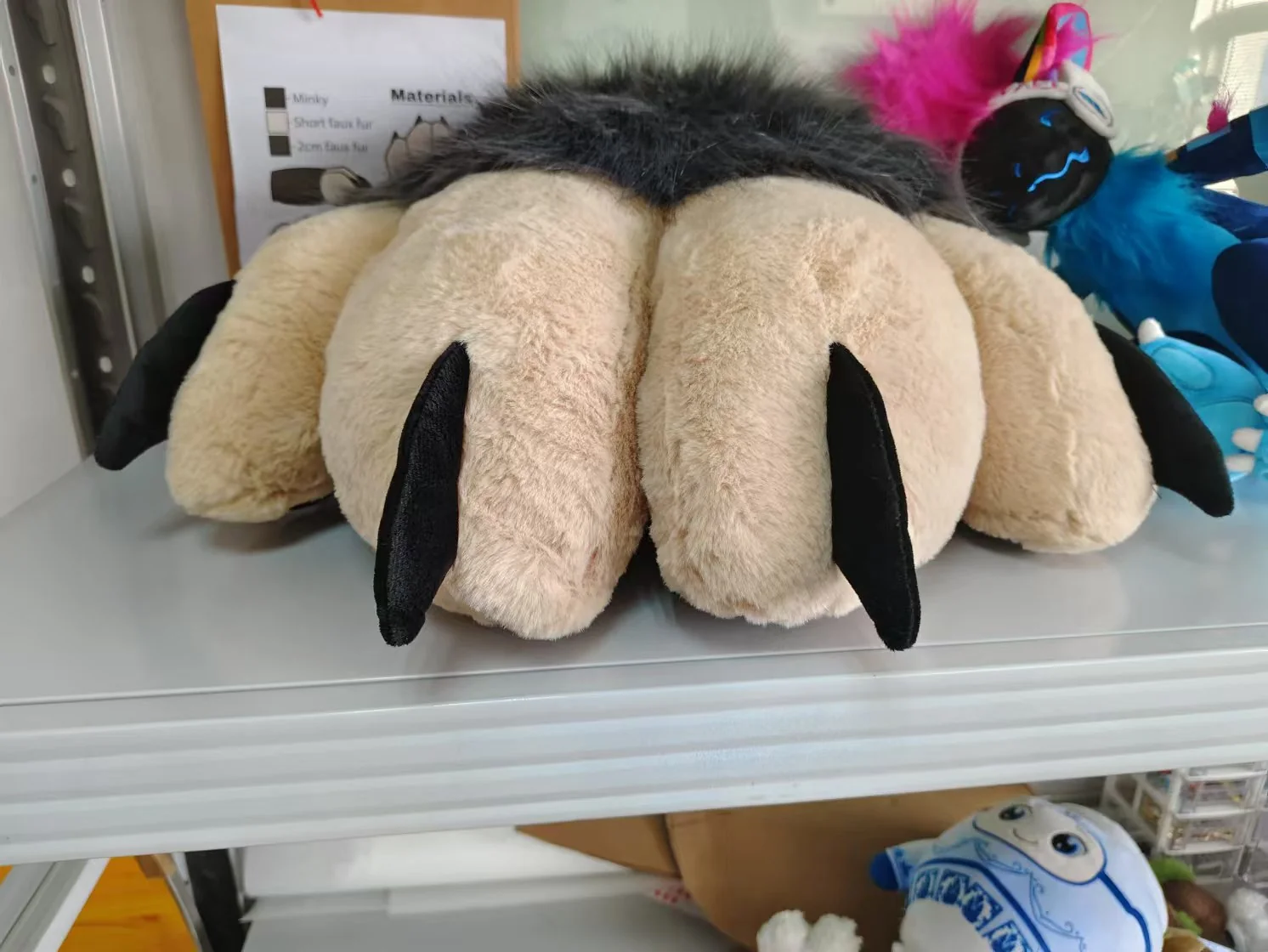
Front view of the project sample. The combination of materials is part of the design, and the corresponding purchasing conditions need to be confirmed before production.
The customer buys 200 finished products, but the factory purchases fabric and other production materials. Their units of measurement, minimum purchasing requirements and actual quantities needed do not always align neatly.
If a supplier's minimum purchasing quantity exceeds what the order actually needs, the factory must consider the excess materials. Can they be used for other projects? Are they suitable for long-term storage? If the material or color is unusual, opportunities to use it again may be limited.
For a small order, material costs may therefore include more than the fabric used in each toy. They may also include the additional investment needed to meet the supplier's minimum and the burden of leftover materials.
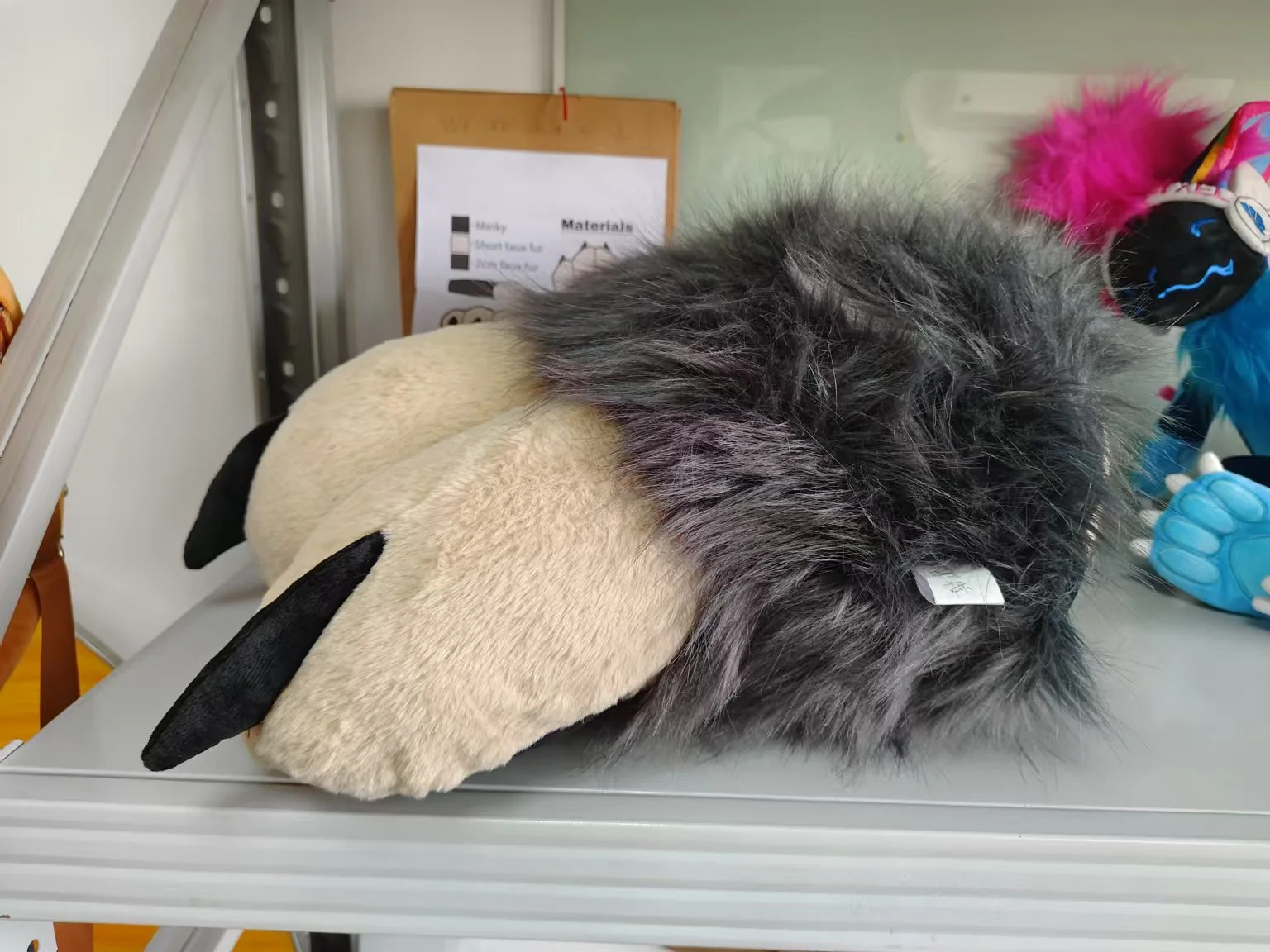
This side view shows how the long-pile fur and main fabric are combined. Before choosing special materials, assess both their appearance and purchasing conditions.
What we can say clearly about this case is that the supplier's high purchasing minimum increased the investment we needed to consider when organizing production. Sample photos or the amount of material in the finished product alone cannot tell you whether a design is suitable for a small production run.
If your design depends on a particular fur effect, color or texture, discuss material sourcing and purchasing conditions before sampling. This helps establish earlier whether the desired design and first-order budget are compatible.
Why Does the Sampling Fee Not Always Cover All Development Costs?
Developing a sample for an original plush toy involves more than sewing one finished item. Design discussions, pattern adjustments, material selection, detail construction and appearance approval all require work.
To help customers get closer to their intended result, our sample service supports two revisions. If a customer requests changes, costs during sampling can exceed the sampling fee already collected.
For example, changing the shape may require pattern adjustments. Changing proportions may mean remaking components. Revising a facial expression or graphic can require updates to production files and physical sample work. Each revision can add material consumption and labor time.
This does not mean that every sample is made at a loss, or that all sampling costs are included in the production price. It means that charging a sampling fee does not necessarily cover all development work in full. The factory must also consider the overall development investment and whether subsequent production is feasible.
For samples that change only the colors, with no other modifications, we charge a repeat-sample fee rather than a new-sample fee. The existing shape and manufacturing plan can be reused, so the development work differs from creating a new design.
However, being able to reuse patterns during sampling does not mean that purchasing and processing for different production colorways can be completely combined. A color-only sample can qualify for repeat-sample pricing, while the production order still needs to reach 200 units for each colorway.
Why Do Small Orders Not Get the Same Price as Large Orders?
Beyond material purchasing, production efficiency is another major factor.
In our production arrangements, order quantity affects embroidery, printing and material costs. A larger order allows the same preparation to serve more products and makes continuous processing easier. For smaller orders, preparation, changeovers and waiting account for a larger share of the time.
Embroidery: The Same Operator's Time Can Produce Very Different Quantities
In one of our actual embroidery production settings, a skilled embroidery operator can oversee 24 embroidery heads at once. When an order supports this arrangement, multiple heads can embroider components for the same batch in parallel.
For a smaller order, production may instead be arranged on a five-head embroidery machine. This does not mean the operator needs only about one-fifth of the working time. Loading materials, confirming positions, running equipment, checking results and handling thread-color changes are still necessary.
| Comparison | An order that supports 24 heads working in parallel | A small order that may use five heads |
|---|---|---|
| Quantity processed simultaneously | More embroidered components can be processed at once | Fewer components are processed at once |
| Operation and machine-monitoring work | Spread across more components | Spread across fewer components |
| Thread changes and changeovers | Continuous processing makes preparation time easier to spread | Changeovers between small batches can have a greater effect on efficiency |
| Processing cost per unit | More scope to fall as efficiency improves | May rise because of lower efficiency |
The 24-head and five-head figures illustrate our production settings. They are not fixed equipment arrangements for every order and cannot be used to calculate a direct price multiple. Actual efficiency also depends on the artwork, thread colors and processing requirements.
The key point is that the operator's working time does not fall in proportion to order quantity. Fewer products are completed in the same period, so each product bears more labor and equipment-use costs.
Frequent changes of thread, materials or processing positions between designs can further reduce efficiency. This is one reason small orders have higher prices and some factories are reluctant to accept them.
Printing and Later Processes: Continuous Processing Improves Efficiency after Preparation
Printing also requires file approval, material preparation and processing arrangements specific to the technique. For smaller quantities, this preparation serves fewer products. Higher quantities make it easier to spread the investment across more units.
Subsequent cutting, sewing, stuffing, shaping and inspection must also be coordinated around the approved materials and techniques. Producing the same item continuously helps workers maintain their operating rhythm. Frequent switches between small orders require repeated adjustment to different requirements.
Bulk pricing therefore reflects more than buying a larger quantity. It also reflects fuller equipment utilization and smoother production organization. Only at a reasonable quantity can a factory better maintain normal production-line operation and support its quote with the corresponding efficiency.
Why Does a Different Color of the Same Design Also Need 200 Units?
For a creator, changing colors may mean adjusting a few areas in the artwork. In the factory, it may involve purchasing different fabric colors, cutting by color, adjusting embroidery threads and checking color combinations during production.
Some patterns and manufacturing experience can be shared, but each colorway still requires its own material and processing arrangements. Splitting 200 units into four colorways of 50 units each creates several smaller production batches.
Reuse during sampling mainly reduces repeated development work. The requirement of 200 production units per colorway relates to material purchasing and batch production. These two rules apply to different cost stages.
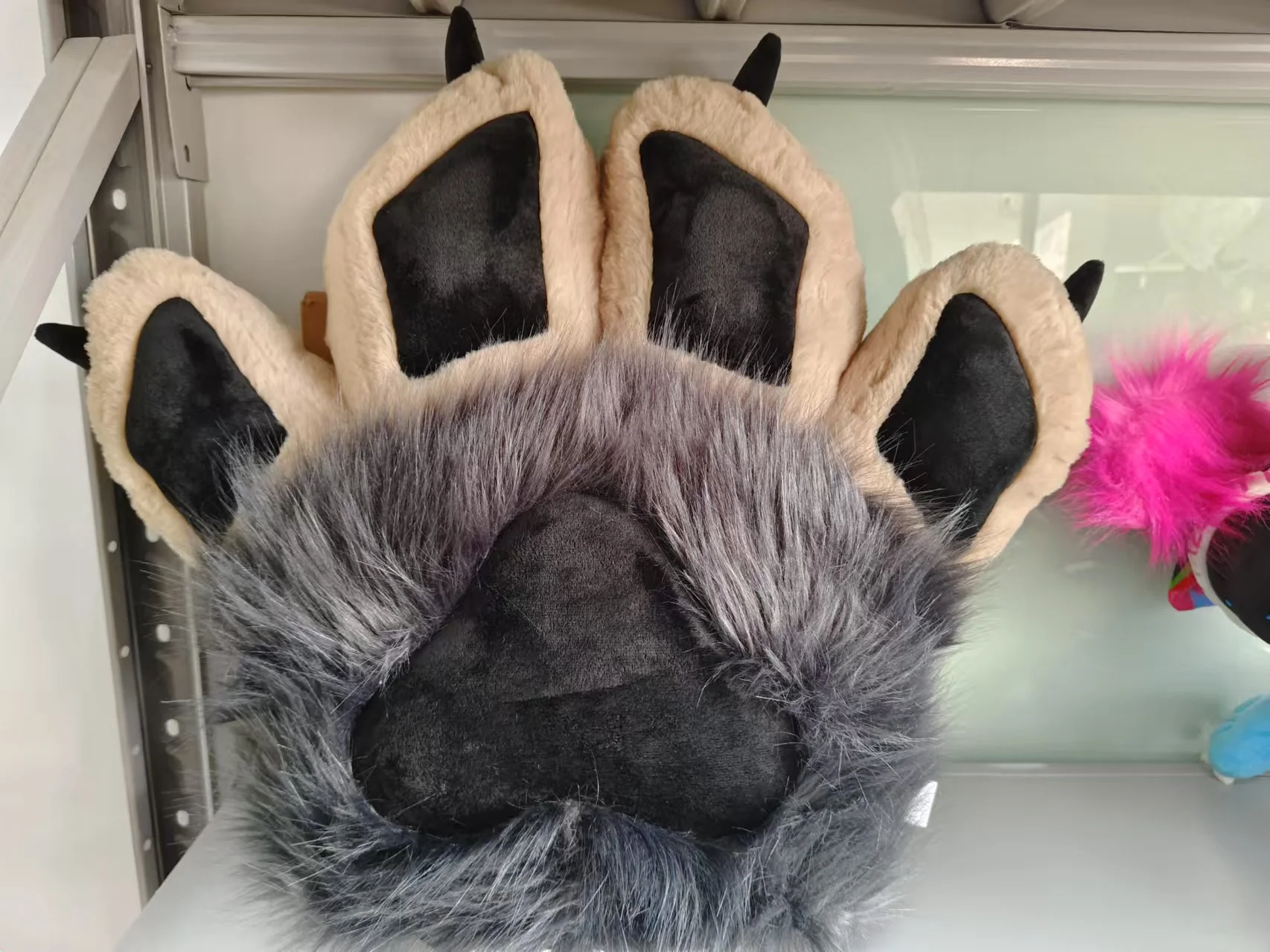
One colorway can contain multiple colors and components. Plan your first order quantity by complete colorway.
How Can Small Sellers and Independent Creators Plan Their First Order?
Once you understand the MOQ, the next step is to match your product plan to your current sales stage. With our minimum of 200 units per design and colorway, the following approaches can help control your initial investment.
Start with One Design and One Main Colorway
If you develop two designs with two colorways each, at 200 units for each colorway of each design, the total reaches 800 units.
If your first run includes only one design and one colorway, the total is 200 units. The difference in funding and inventory pressure is substantial. For a project that needs market validation, you can begin with the version that best represents the character and has the strongest evidence of demand, then consider expanding later.
Evaluate Materials before Sampling, Rather Than Asking about Production Costs Only after Sample Approval
Special materials can create a distinctive look and feel, but may come with higher purchasing minimums. During discussions, explain which effects must be preserved and which materials can be considered for substitution.
Using suitable standard materials may reduce additional investment from special purchasing. However, changing materials does not automatically change our MOQ of 200 units per design and colorway. Any alternative also needs to be checked against the intended design.
Put Your Budget into the Details That Best Express the Character
Your first production run does not necessarily need every accessory, elaborate packaging and multiple versions. Start by identifying the character's defining features, such as its silhouette, expression or a particular fur effect, then assess how other details affect cost.
The purpose is to prioritize product features that consumers can perceive. Which details should be retained depends on your specific design.
Use the Approved Sample to Validate Demand before Deciding on Production
For Etsy sellers and individual creators, a sample is both the basis for production approval and a tool for photographing the product, showing details and collecting audience feedback.
Follower counts, likes and verbal interest can provide reference points. Clear purchasing intent, sales-channel demand and an acceptable selling price are more useful for judging whether the first inventory is reasonable. Avoid adding colorways or designs without sufficient confidence in their sales simply to meet an MOQ.
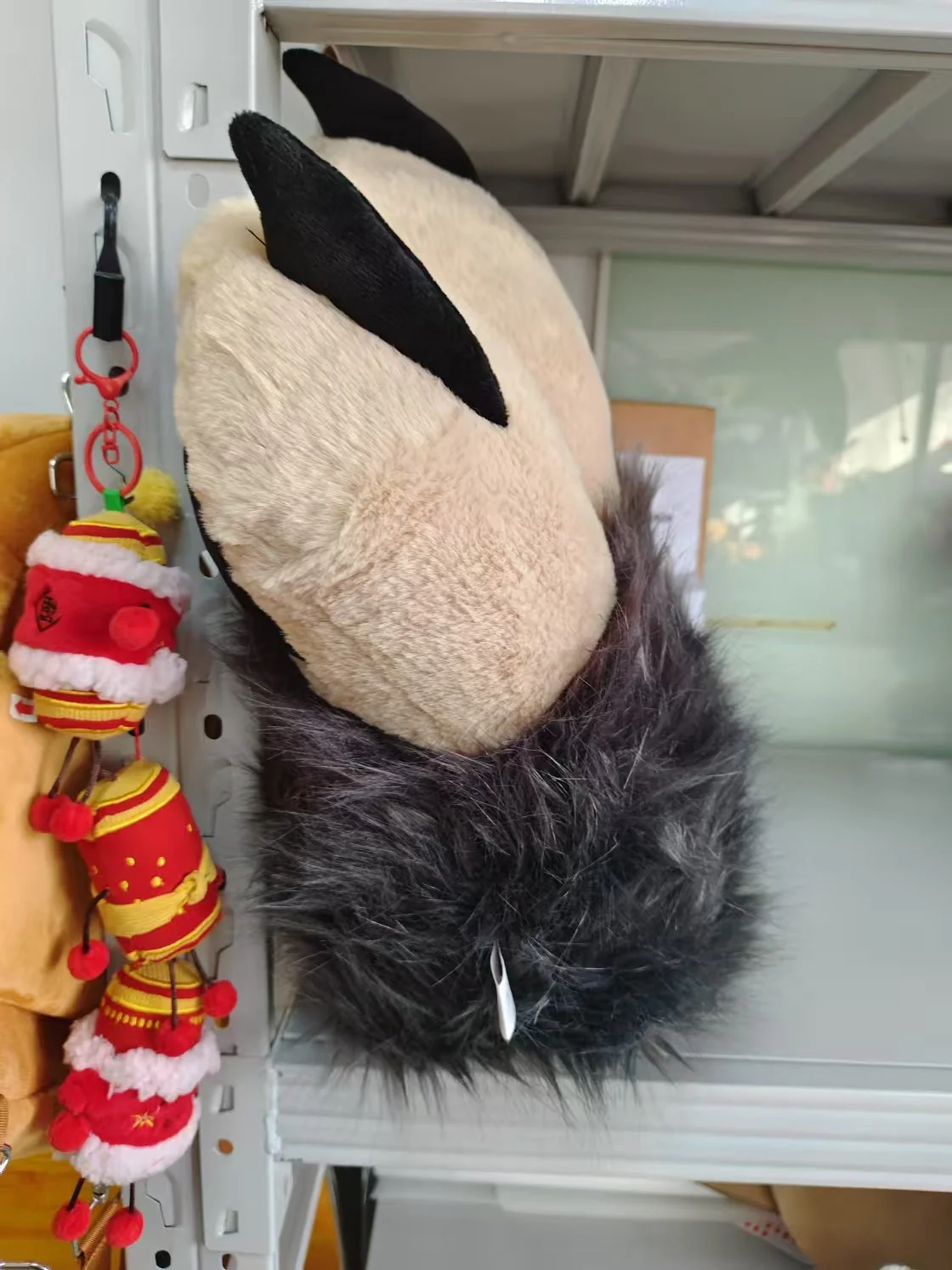
An approved physical sample helps creators show the three-dimensional shape and material effects, providing a basis for planning the first production run.
Frequently Asked Questions
Can 200 Units Be Split into Two Colorways of 100 Units Each?
No. Our minimum is 200 units per design and colorway. Two colorways of the same design require 200 units each, for a total of 400.
Does a Color-Only Sample Require Another New-Sample Fee?
If only the colors change and there are no other modifications, we charge a repeat-sample fee rather than a new-sample fee. The specific fee is quoted after the repeat-sample requirements are confirmed.
Why Is There Still a Production MOQ after I Have Paid the Sampling Fee?
The sampling fee covers sample development and construction. The production MOQ also involves material purchasing, embroidery and printing arrangements, and efficiency throughout the production process. Paying the sampling fee does not remove these production conditions. In addition, we support two sample revisions, and actual development costs may exceed the sampling fee collected.
Why Does the Same Product Have Different Unit Prices at Different Quantities?
Order quantity affects material purchasing conditions, embroidery and printing costs, the allocation of preparation costs and continuous-processing efficiency. Each quantity must therefore be evaluated under its own conditions, rather than simply applying the bulk-order unit price.
If I Only Want a Few Dozen, Will Paying a Higher Unit Price Guarantee Production?
You cannot judge feasibility solely by increasing the unit price. Price is only one condition: material purchasing minimums, equipment scheduling and production organization must also be workable. Our current production MOQ is 200 units per design and colorway. If your demand is not yet sufficient, you can start with sample development and demand validation before deciding whether to proceed to production.
From Artwork to Your First Production Run, Confirm Quantity and Specifications Together
For small gift businesses, Etsy sellers, independent designers and individual creators, controlling initial inventory is important. Factories also need workable arrangements across material purchasing, development investment and production efficiency.
The MOQ of 200 units per design and colorway is tied to these practical production conditions. Understanding the reasons helps you decide earlier how many designs and colorways to launch, which materials must be retained and which details should receive budget priority.
If you are preparing your first custom plush toy, send us your artwork, expected size, number of colorways, target quantity and material requirements. We will assess sampling and production conditions for your specific plan and help turn your idea into a clearer, workable first order.